X-RAY LINE DETECTOR
AiST is a professional x-ray detector manufacturer
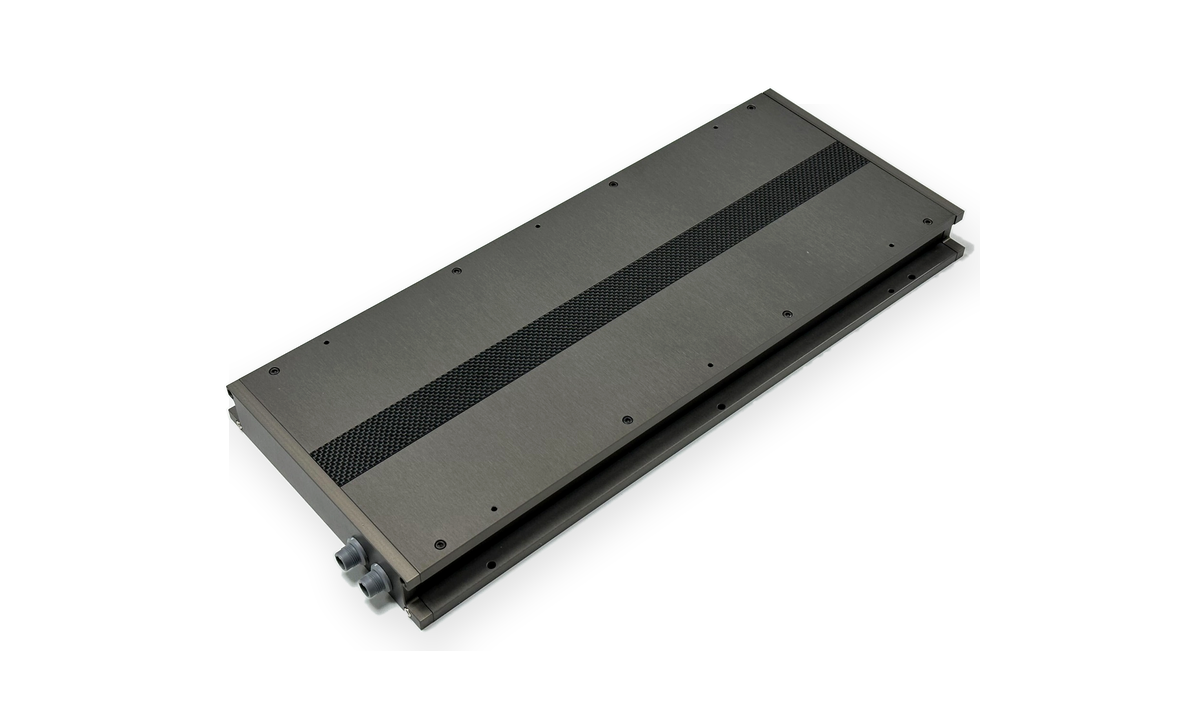
The MiUS D Series is a horizontal dual-line X-ray detector designed for inspection environments where foreign objects with similar density are difficult to detect.
By applying a horizontal dual structure instead of a vertical stacked structure, it minimizes physical interference and signal distortion between sensors,
providing stable low-energy and high-energy data even in high-speed production environments.
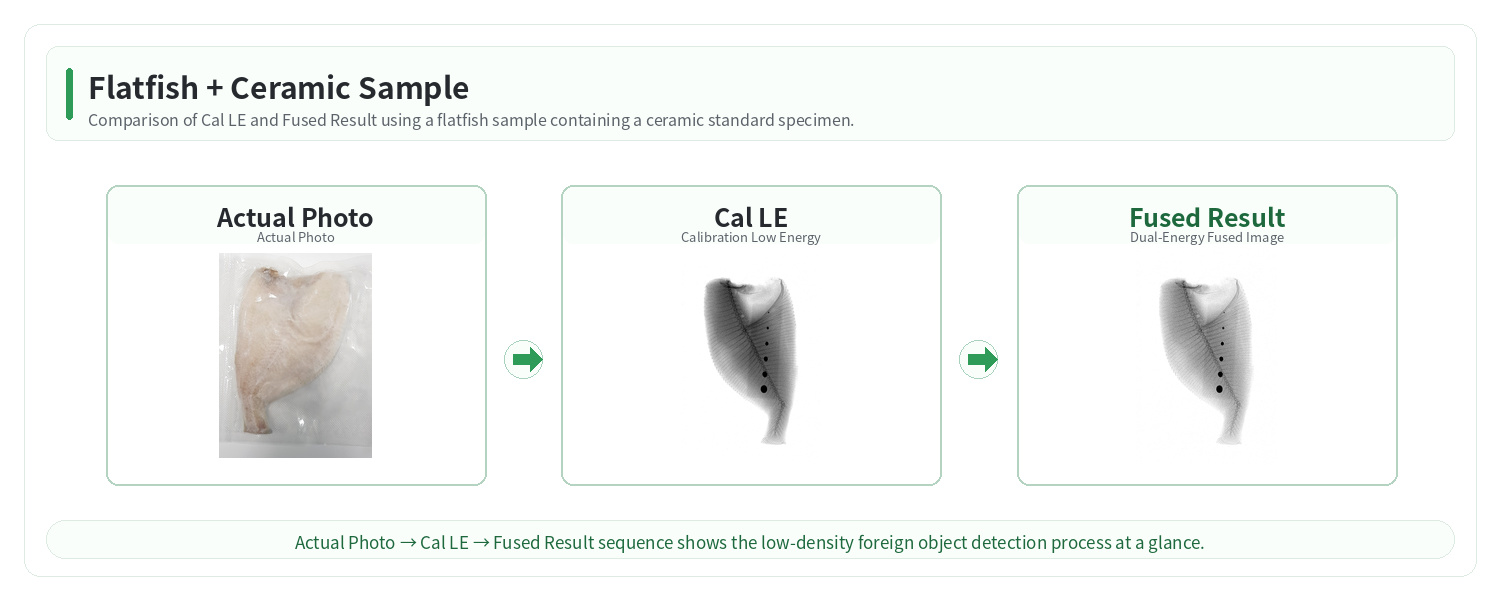
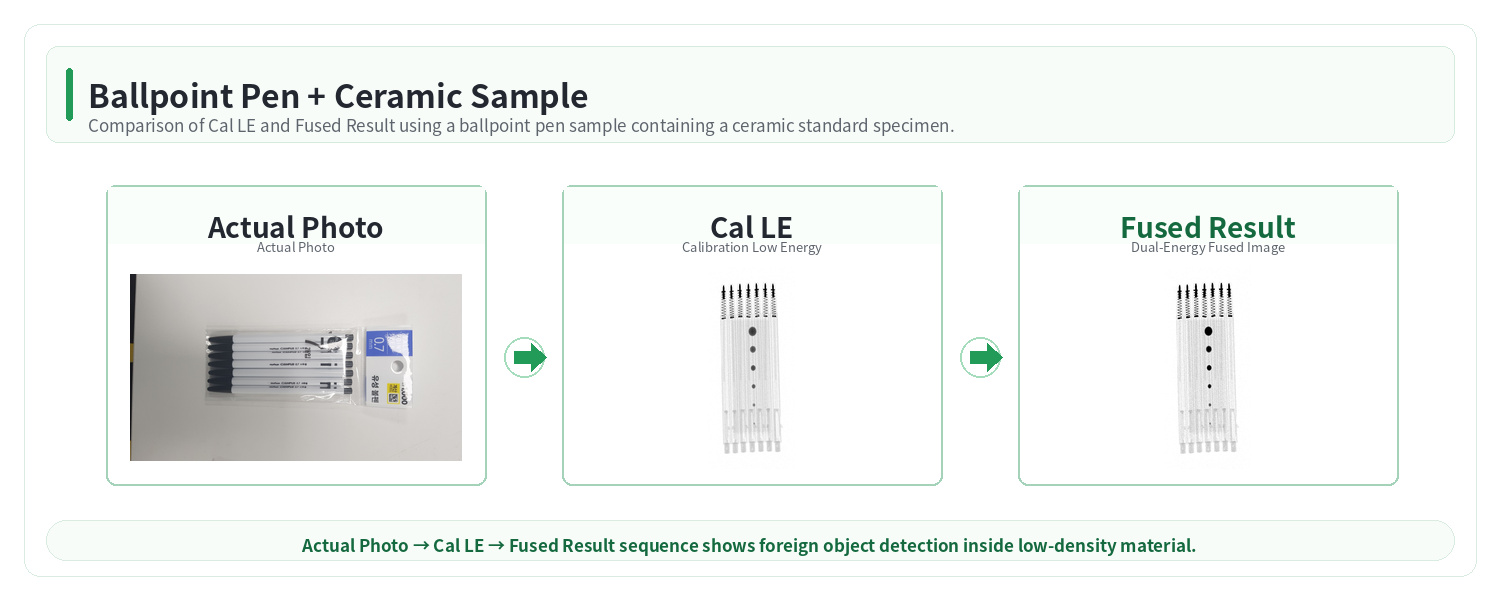
It provides clearer and more reliable images in inspection applications where foreign objects are difficult to distinguish with conventional Single Energy systems,
such as fish bones, chicken bones, and bones in processed meat.
| Model | MiUS D256 | MiUS D410 | MiUS D620 |
|---|---|---|---|
| Feature | Horizontal Dual-Energy X-ray Line Detector | ||
| Energy Range | 30–160 kV | ||
| Scintillator | GOS (DRZ-HI, Tungsten Shield) | ||
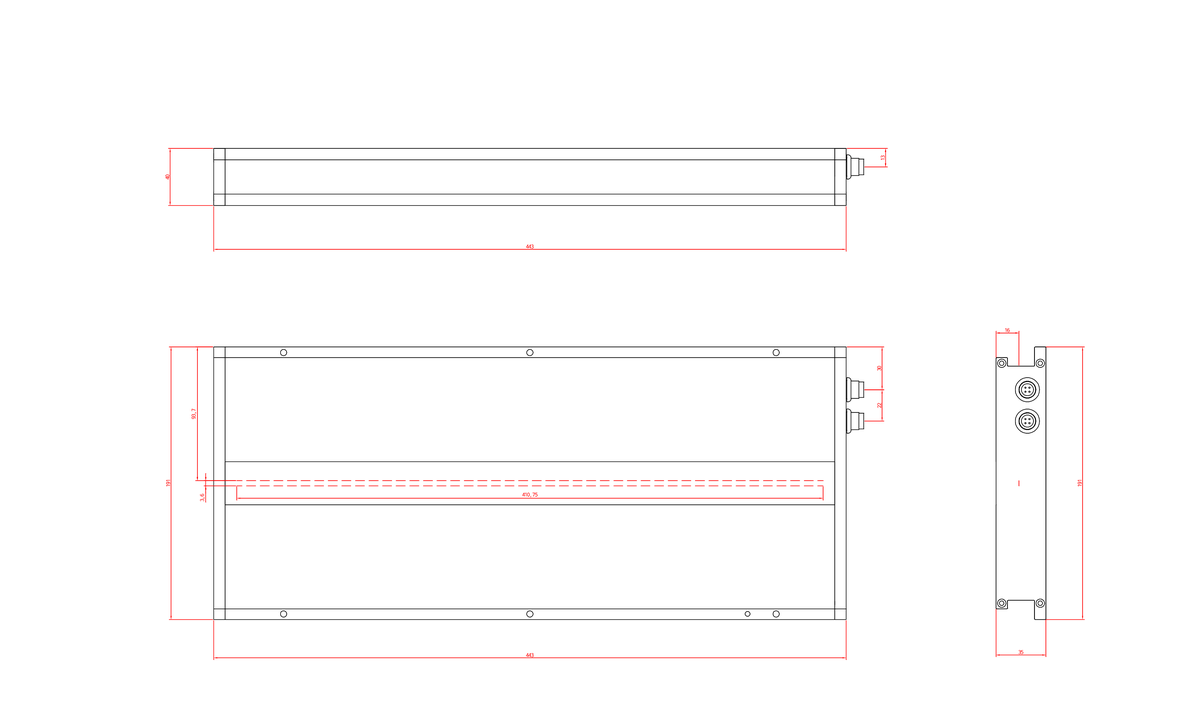
| Active Area (mm) | 256.9 | 410.8 | 616.7 |
| Pixel Pitch (mm) | 0.4 / 0.8 | ||
| Number of Pixels | 1280 / 640 | 2048 / 1024 | 3072 / 1536 |
| A/D Converter | 16-bit (ENOB 13.3 bits) | ||
| Dynamic Range | 52,000+ | ||
| Scan Speed (m/min) | 5–100 | ||
| IP Code | IPx6 | ||
| Operating Temperature (°C) | 0–40 | ||
| Storage Temperature (°C) | -10–50 | ||
| Operating Humidity (%) | 30–80 | ||
| Interface | USB 2.0 / USB 3.0 (Optional) | ||
| Power Supply | DC 12 V | ||
| Length (mm) | 288 | 443 | 648 |
| Width (mm) | 188 | ||
| Height (mm) | 30 | ||
| Weight (kg) | 3.8 | 5.4 | 6.8 |
| Software | Windows 7 / 10 (x86 / x64), Microsoft Visual C++ SDK | ||
| Calibration | Multi-Point, 2-Point | ||
| Image Format | RAW Image / CAL Image (16-bit TIFF) | ||
| Image Packet | Line / Frame | ||
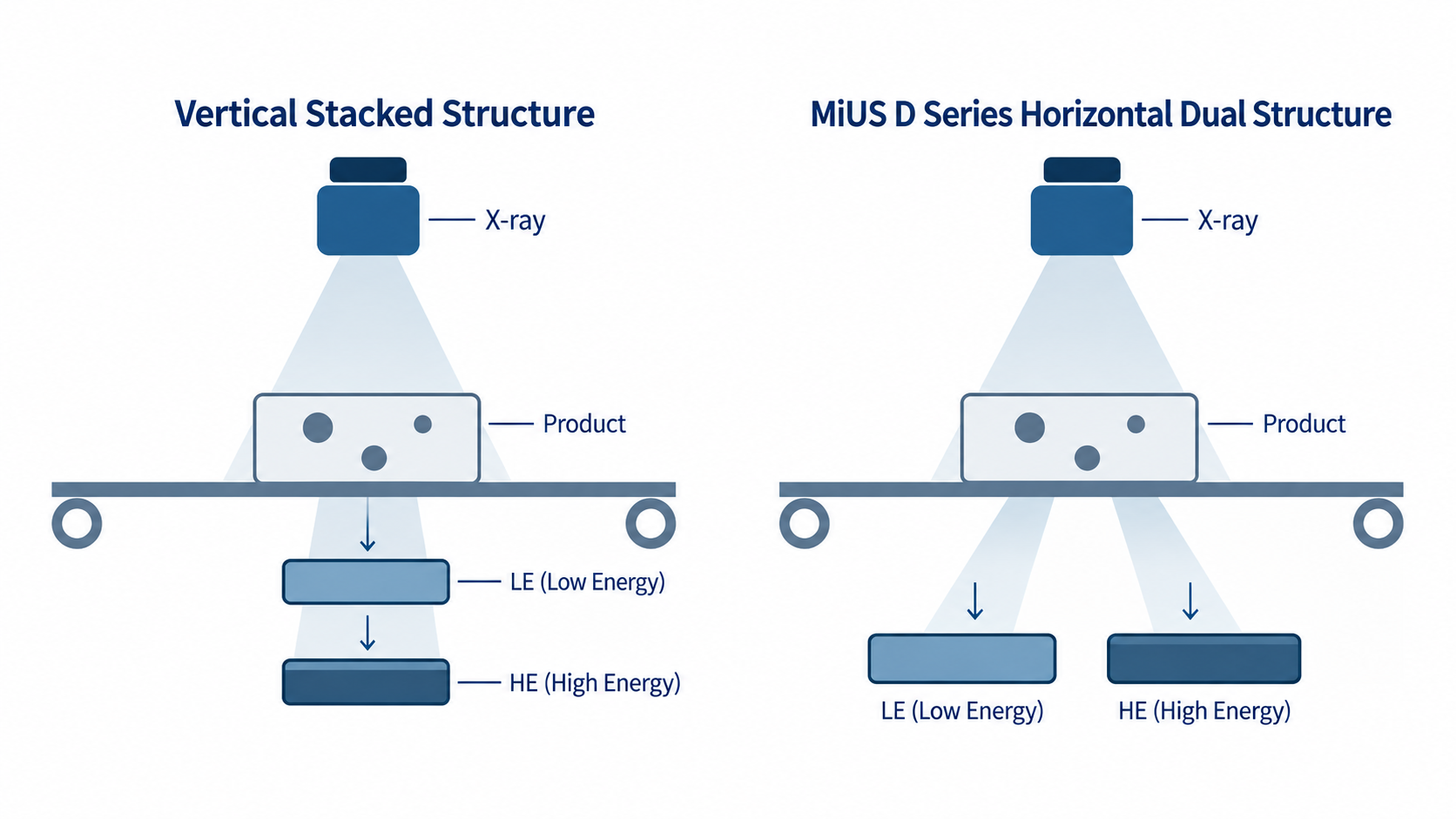
MiUS D Series uses a horizontal LE/HE sensor arrangement to reduce physical interference between sensors and signal distortion that may occur in stacked structures, supporting stable acquisition of data across both energy ranges.

AT-Optimizer adjusts eight synthesis parameters based on LE/HE data, allowing the result image to be adjusted to suit the inspection target and foreign-object characteristics.
With Single Energy inspection, materials can be difficult to distinguish when the density difference between the product and foreign object is small.
MiUS D Series uses data acquired in the LE and HE energy ranges to help distinguish differences between materials with similar densities more clearly.
Actual sample measurement data allows comparison of the corrected LE image and the Dual Energy fused result.
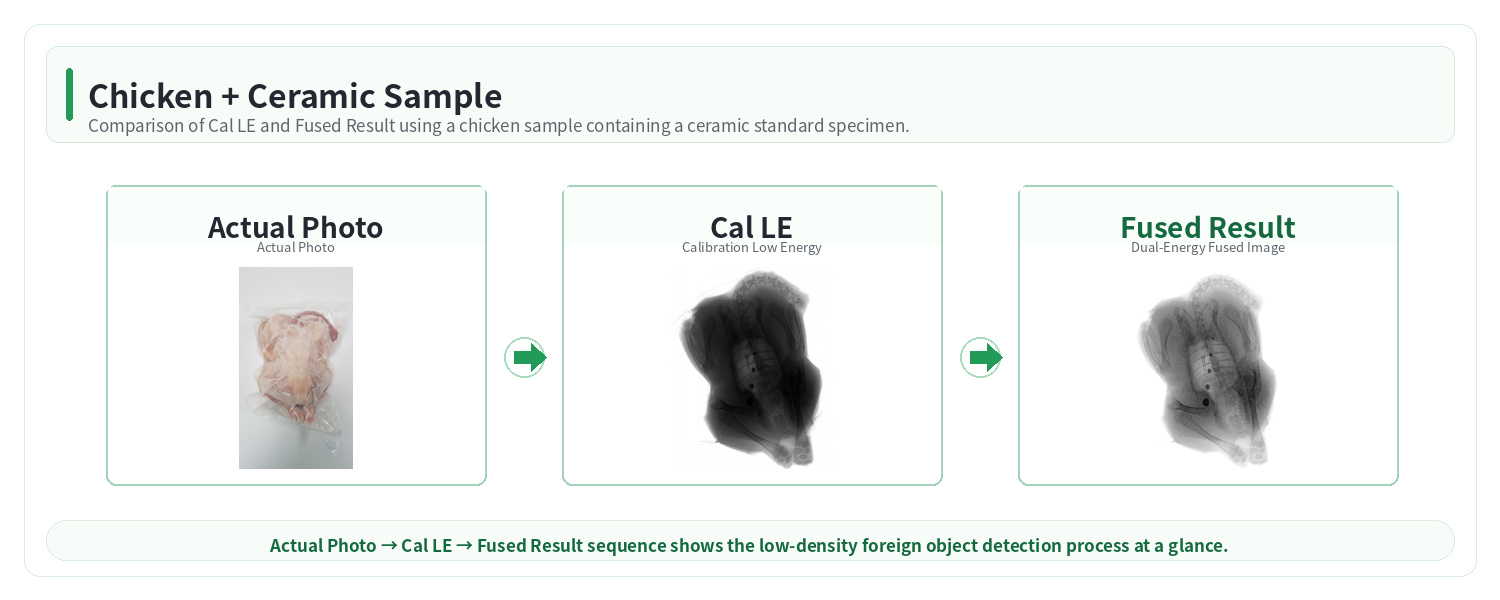
* Measurement results may vary depending on the inspection target and imaging conditions.